

Supreme Court takes up Trump's border asylum ban, a policy two courts called illegal
The ban remains in effect while the case is pending, so asylum stays closed at the border.
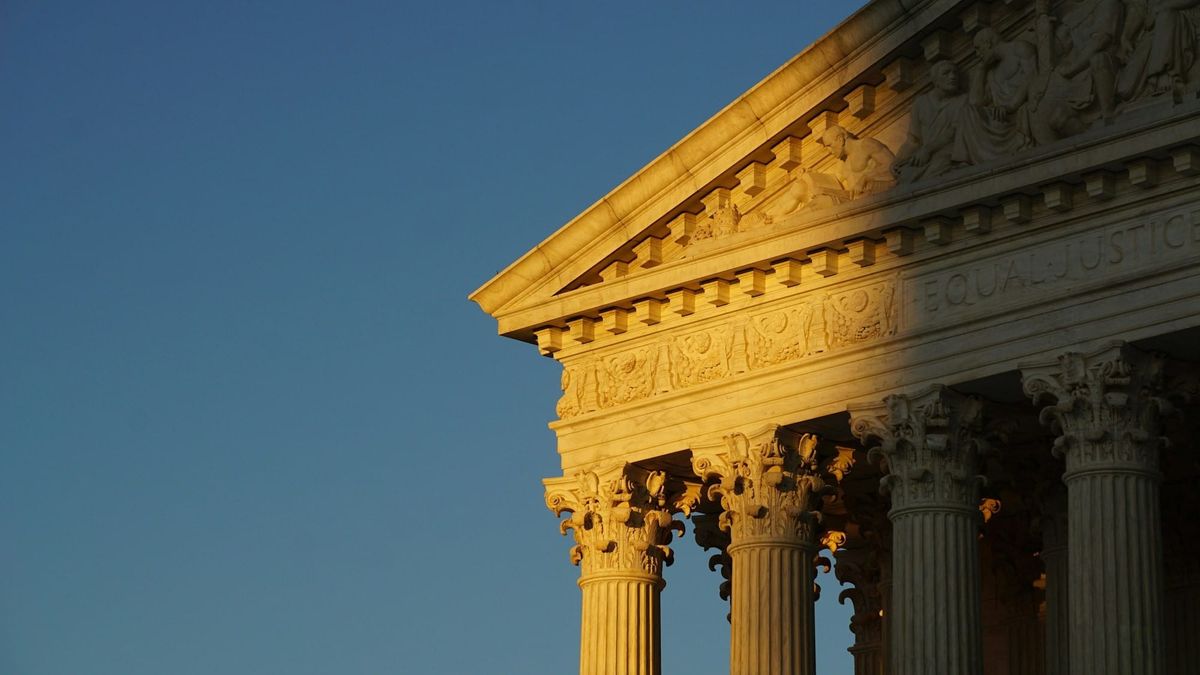
The Supreme Court agreed Friday to decide whether President Trump can shut off asylum at the U.S.-Mexico border by declaring an "invasion." Two lower courts have ruled the policy illegal, but it stays in effect while the justices consider it, with a decision likely by the end of June 2027.
The case is Mullin v. Refugee and Immigrant Center for Education and Legal Services, No. 26-239. In its Nov. 13 order list, the Court wrote: "The petition for a writ of certiorari is granted limited to Questions 1 and 2 presented by the petition." That means the justices will decide whether the policy is lawful and whether the trial judge could protect everyone covered by it rather than only the people who sued. They declined the administration's third question, which attacked how the class of asylum seekers was defined.
What the policy does
On his first day back in office, Trump issued a proclamation declaring that "an invasion is ongoing at the southern border," SCOTUSblog reported. It suspended entry for people "engaged in the invasion" and barred them from seeking protections like asylum. Homeland Security guidance then allowed fast removals that skip some of the procedures Congress wrote into immigration law.
Thirteen people who say they were persecuted or tortured in their home countries sued, along with three immigrant legal aid groups, including RAICES and the Florence Immigrant & Refugee Rights Project. The ACLU is among their lawyers.
Two courts said no
U.S. District Judge Randolph Moss in Washington ruled against the administration in July 2025, struck down the guidance and barred officials from carrying it out. In April, a D.C. Circuit panel largely agreed. Judge J. Michelle Childs, joined by Judge Cornelia Pillard, wrote that "Congress did not intend to grant the Executive the expansive removal authority it asserts," according to SCOTUSblog. Judge Justin Walker dissented in part: he would let the president deny every asylum application but agreed the government can't send people to countries where they'd be persecuted.
The appeals court put its own ruling on hold, so the asylum shutdown has stayed in force throughout the case.
What each side argues
Solicitor General D. John Sauer told the justices that blocking illegal entry and asylum access are "the most important and effective pieces of the President's response" and that asylum "is a purely discretionary benefit," the government's petition says. It calls the appeals court's insistence on letting people apply "empty procedures."
The petition credits the proclamation for a 93% drop in border encounters. The challengers' brief answers that "border apprehensions had returned to historically routine levels, down over 90 percent from their peak" by January 2025, before the proclamation took effect. That makes the administration's claim, at best, half-true: the drop began before the policy did. The challengers argue that "the President may not invent by fiat a new removal system that eviscerates the protections Congress mandated by statute."
A pattern on the Court's docket
This is part of a pattern of the justices taking up Trump's immigration fights this year. For example:
- June 25: In a 6-3 ruling written by Justice Samuel Alito, the Court let officials stop migrants from reaching the border so they can't claim asylum, Roll Call reported. Justice Sonia Sotomayor wrote in dissent that Congress "could not have been clearer."
- Oct. 1: The Court agreed to review the administration's policy of jailing immigrants without bond hearings, even people arrested far from the border. The ACLU warned that "millions of noncitizens could be affected," PBS NewsHour reported.
- Nov. 10: The Court let border wall construction resume in Texas's Big Bend region, ruling the judge who stopped it likely lacked power to hear the case, as WorkersRights.News reported.
What's next
Arguments will likely come in spring 2027, SCOTUSblog reported. Until the Court rules, people who reach the southern border still can't apply for asylum. If the justices side with Trump, a president could close the asylum system Congress built by declaring an invasion at the border.
Sources
- Order list, Nov. 13, 2026 (Supreme Court of the United States)
- Petition for a writ of certiorari, No. 26-239 (U.S. Department of Justice, via the Supreme Court)
- Brief in opposition, No. 26-239 (Respondents, via the Supreme Court)
- Supreme Court agrees to hear case on Trump administration's suspension of asylum (SCOTUSblog)
- Trump's 'invasion' asylum ban to face justices (Roll Call)
- Supreme Court allows policy to curtail asylum claims (Roll Call)
- Supreme Court grants review of Trump administration's mandatory detention policy for immigrants (PBS NewsHour)


Comments ()