

Supreme Court lets Big Bend border wall work resume. Justices say the judge likely couldn't hear the case.
An unsigned four-page order lifts a Texas judge's halt while the lawsuit continues.
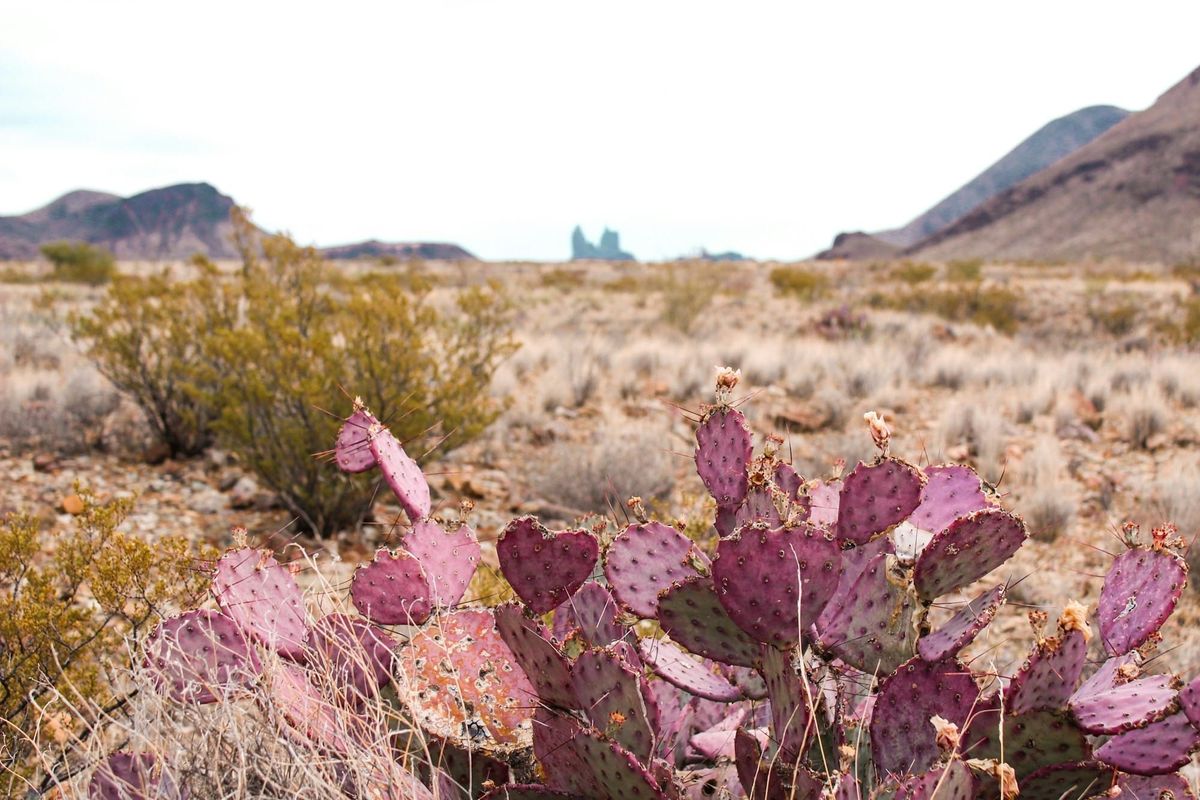
The Supreme Court on Monday let the Trump administration resume border wall construction in the Big Bend region of Texas, ruling that the federal judge who halted the work likely had no power to hear the challenge.
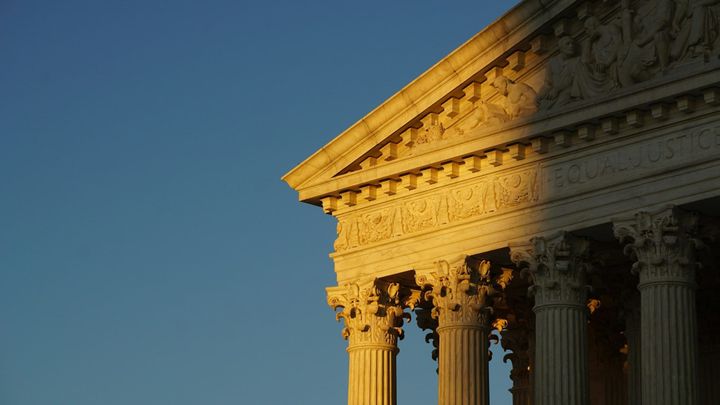
In Mullin v. Friends of the Ruidosa Church, No. 26A560, the Court granted the government's request to pause an order from U.S. District Judge Kathleen Cardone of the Western District of Texas, SCOTUSblog reported. It denied a separate request to summarily reverse that order. The unsigned opinion ran four pages, and Justice Ketanji Brown Jackson was the only justice noted as wanting to deny the government's request.
What the judge had blocked
Cardone barred the Department of Homeland Security on Oct. 2 from continuing construction until it complied with environmental and other applicable laws. In an Oct. 14 opinion, she reasoned that the challengers were likely to win their claim that the Homeland Security secretary lacked authority to waive those laws, relying on the major questions doctrine (the idea that Congress must speak clearly before an agency claims sweeping power). She noted that Big Bend, though more than 25% of the border, accounts for only 0.3% to 2.2% of migrant apprehensions, SCOTUSblog reported.
Former Secretary Kristi Noem and her successor, Markwayne Mullin, issued three waivers covering the region, which includes parts of Big Bend National Park. The challengers are an environmental group, a local landowner who works as a river guide, and a group formed to preserve a church. NBC Montana reported that the Center for Biological Diversity is among the plaintiffs, in a lawsuit filed in April.
What the Court said
Solicitor General D. John Sauer argued that Cardone could not hear the claim because Congress barred district courts from considering it, and that Congress clearly authorized the secretary to build barriers and waive legal requirements. The justices agreed the government is "exceedingly likely to prevail" on the first point. Because the claim says only that the secretary exceeded statutory authority, the Court wrote, "There is no such thing as a 'constitutional' major-questions claim."
The Court also accepted the government's account of the cost of delay, which it put at "nearly half a million dollars … per day," and said the government's interest outweighs "any aesthetic, recreational, and environmental harm alleged by respondents," according to NBC Montana.
What opponents say
Laiken Jordahl of the Center for Biological Diversity described crews "plowing over native vegetation in endangered species habitat." Bob Krumenaker, chair of Keep Big Bend Wild, said the decision means "the unaccountable destruction of Big Bend National Park's borderlands is likely to resume at any moment."
What happens next
The ruling is not a final decision. It lifts Cardone's order while the lawsuit continues, and the sources reviewed for this story did not report a next hearing date. Customs and Border Protection says the project includes vehicle barriers, patrol roads, cameras and sensors, according to NBC Montana. That is the agency's description, not an independent finding.

Comments ()