

Texas offered $1 million for voter fraud in 2020. It paid $25,000, for a Republican.
Now Trump is making the same $1 million promise days before the Nov. 3 midterms, without saying where the money comes from.
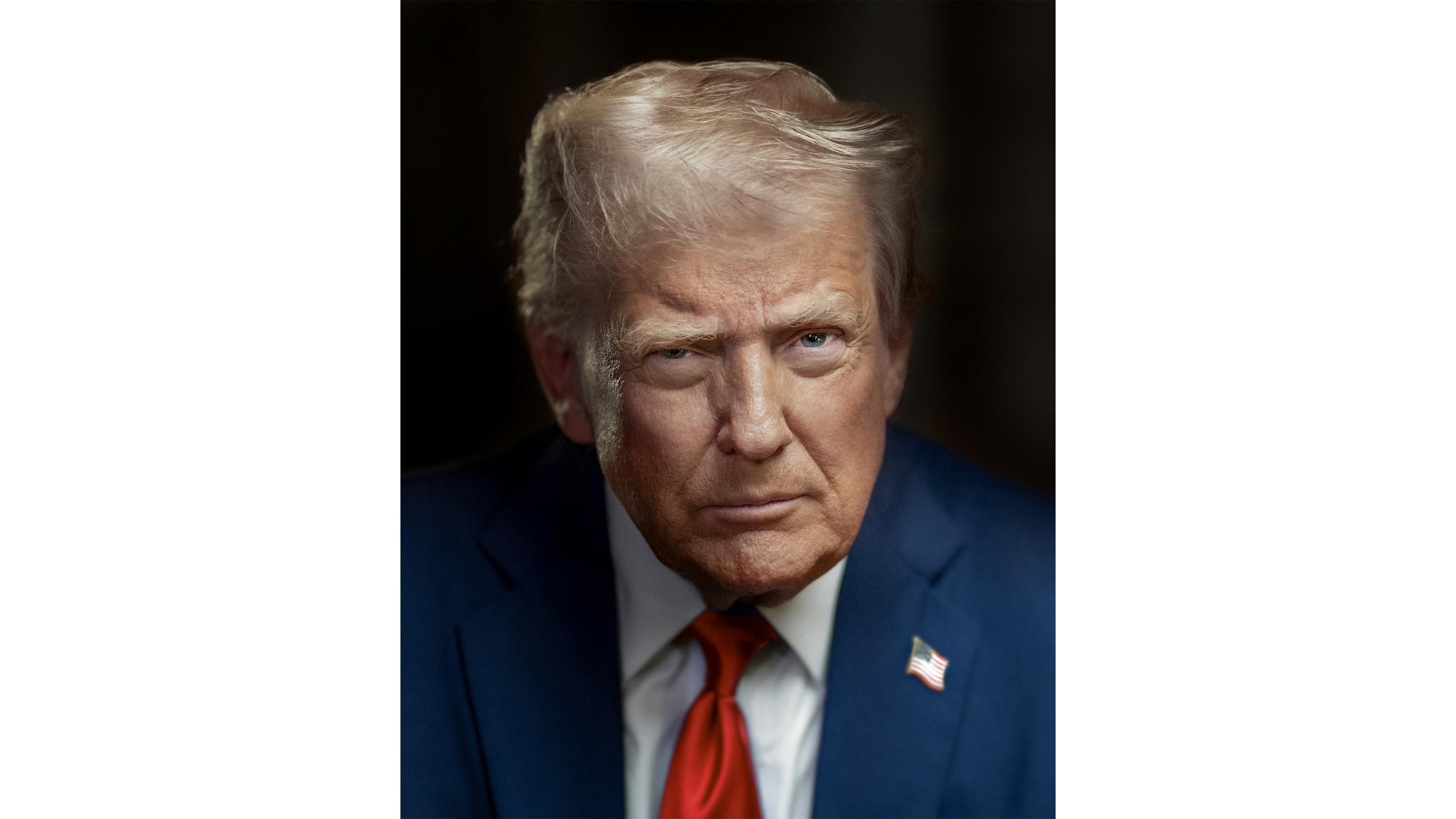
President Donald Trump promised on Monday, Oct. 26, that anyone who reports voter fraud will be paid $1 million if it leads to a conviction. He posted the offer on Truth Social eight days before the Nov. 3 midterms and did not say where the money would come from.
"Anybody reporting Voter Fraud in the past Elections, or the upcoming 2026 Midterm Election, will be paid $1,000,000 upon the arrest and conviction of those that created the Fraud!" Trump wrote, according to ABC News and Democracy Docket. The White House would not give ABC any more details. Asked whether it would fund or run the reward, the Justice Department told Newsweek, "We defer to the White House."
Who writes the check?
Nobody has said, and the record points away from the federal treasury. The Constitution says "No money shall be drawn from the treasury, but in consequence of appropriations made by law" (Article I, Section 9). In plain terms, a president can't spend federal money on a reward Congress never funded.
The one federal tip program on the books doesn't fit either. Six days before Trump's post, the Justice Department launched a $25 million Fraud Whistleblower Incentive Program paid for by the Treasury. Its awards run $10,000 to $30,000, the department decides them, and they cover health care fraud and fraud against benefit programs. The announcement doesn't mention election fraud. Trump's offer is 33 times the program's cap and names no legal authority.
A prize for something that almost never happens
Voter fraud convictions are rare, even by the count of the conservative Heritage Foundation. Using Heritage's own fraud database, Brookings researchers found about four cases of mail-voting fraud per 10 million mail ballots across the 2016 through 2022 general elections. The Brennan Center counted 24 votes by noncitizens in that database over nearly 50 years.
This year's federal hunts bear that out. In Nevada, the Department of Homeland Security claimed up to 16,000 noncitizens might be registered, cut that to 185 names, and then the state said its records show those voters are citizens. "Our records do not support DHS's claims," Secretary of State Cisco Aguilar told The Nevada Independent. In Arizona, Maricopa County Recorder Justin Heap used the federal SAVE database to flag 207 voters as likely noncitizens; the county attorney's review found eight, and 25 wrongly flagged voters had their status restored after a lawsuit.
In court, the Justice Department has lost every suit it filed to force states to hand over private voter data. A University of Wisconsin tracker updated Oct. 26 counts 27 dismissals on the merits and no wins, the latest in Utah. On Monday, the same day as Trump's post, DOJ asked Washington to set aside ballots from more than 400 voters it suspects are noncitizens, the AP reported. Washington Secretary of State Steve Hobbs said, "We see what's happening in California and don't want Washingtonians to be harassed."
Texas tried this in 2020
Texas Lt. Gov. Dan Patrick offered up to $1 million from his campaign fund in November 2020, at least $25,000 per conviction, to back Trump's fraud claims, The Texas Tribune reported. Nearly a year later he paid his first claim, the AP reported: $25,000 to Eric Frank, a Democratic poll watcher in Pennsylvania who reported a 72-year-old Republican for voting twice, once in his son's name. "This kind of blew up in their face," Frank said.
Who pays the price
A bounty turns every neighbor into a potential accuser, and the people in the line of fire are the ones running the polls. In the Brennan Center's 2026 survey, 32% of local election officials said they had been threatened, harassed or abused, and more than half said that makes it harder to recruit and keep election workers. Trump has already threatened to jail election workers, and DOJ is sending poll monitors.
A $1 million promise with no money and no authority behind it gives people a reason to treat a clerical error, a common name or a naturalized citizen as a crime. We condemn offering cash for accusations against voters and the workers who count their ballots, days before an election.
If someone challenges your right to vote, you can still cast a provisional ballot. Our guide covers what to do if you're challenged or intimidated at the polls before you head out.
Sources
- Trump offers $1M reward for voter fraud tips that result in conviction, ABC News
- Trump offers $1 million bounty for voter fraud ahead of Election Day, Democracy Docket
- Trump offers $1M for election fraud convictions week before midterms, Newsweek (via Yahoo News)
- Trump offers $1 million reward for voter fraud tips that lead to convictions, LiveNOW from FOX with Reuters (via Yahoo News)
- U.S. Constitution, Article I, Cornell Legal Information Institute
- Justice Department announces whistleblower rewards program to combat fraud, U.S. Department of Justice
- Mail voting in the US: Data points to very low fraud, Brookings Institution
- Debunking lies about voting and citizenship, Brennan Center for Justice
- 185 noncitizen voters flagged by Trump admin in Nevada are likely citizens, state says, The Nevada Independent
- Maricopa County recorder restores 25 voters wrongly flagged as noncitizens, ending lawsuit, Arizona Mirror
- Tracker: DOJ lawsuits seeking states' sensitive voter data, State Democracy Research Initiative, University of Wisconsin Law School
- How judges eviscerated Trump's DOJ voter data lawsuits, ProPublica
- Trump administration asks Washington state to set aside ballots from 400 voters it says may be noncitizens, AP via PBS NewsHour
- Dan Patrick offers up to $1 million to incentivize reports of voter fraud, The Texas Tribune
- Texas GOP leader pays illegal voting bounty to Democrat in Pennsylvania, AP via WITF
- Survey finds election officials remain concerned about safety, lack of government support, Brennan Center for Justice

Comments ()