

GOP lawmakers in Georgia, Ohio and Texas want to strip power from incoming Democratic governors
Outgoing Republican Govs. Brian Kemp and Mike DeWine said no. Michigan's 2018 lame-duck bills cut workers' sick leave until a court restored it.
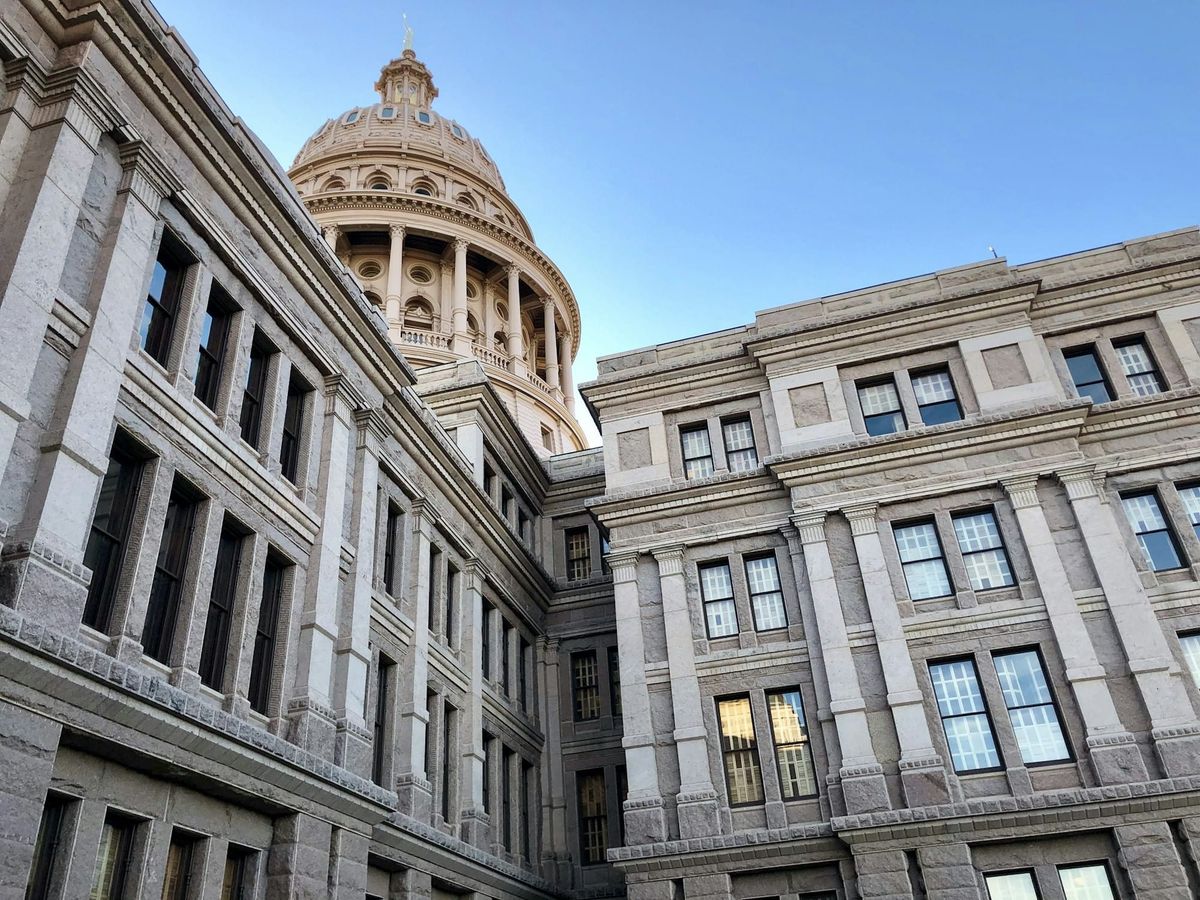
Republican lawmakers in Georgia, Ohio and Texas want to cut the powers of the Democratic governors elected Nov. 3 before they take office in January. The outgoing Republican governors of Georgia and Ohio have refused, and Texas Gov. Greg Abbott hasn't responded, Democracy Docket reported Friday.
Georgia: a petition the Freedom Caucus can't fill
Rep. Charlice Byrd, chair of the Freedom Caucus in Georgia's legislature, called on Nov. 18 for a special session to rein in Gov.-elect Keisha Lance Bottoms and redraw the state's legislative maps. "We should address these issues now to prevent Gov.-elect Bottoms, who has proven not to be an effective executive, from abusing the powers of the Governor's office," Byrd said in a statement, according to Democracy Docket.
Gov. Brian Kemp had already shut that door. "I will not be calling a special session of the Georgia General Assembly in order to curtail executive branch powers or debate redistricting changes," Kemp said in a Nov. 4 statement reported by Democracy Docket and Atlanta News First. "The voters of our state have spoken."
The only other route is in the state constitution: if three-fifths of the members of each chamber certify in writing that an emergency exists, the governor must call a special session, and if he doesn't within three days, not counting Sundays, lawmakers can convene themselves (Ga. Const. art. V, § II, para. VII). Republicans hold majorities in both chambers but not enough seats to reach three-fifths without Democrats. Bottoms is scheduled to be sworn in Jan. 11, the day the new session opens, Atlanta News First reported.
Ohio: "No governor is going to sign"
Some Republican lawmakers and lobbyists told News 5 Cleveland they would push to shrink the role of Gov.-elect Amy Acton. State Rep. Adam Mathews (R-Lebanon) said there needs to be "checks and balances." Gov. Mike DeWine said no: "No governor is going to sign a bill that dramatically took away powers of the governor."
Outgoing Secretary of State Frank LaRose, who becomes state auditor in January, has asked GOP leaders for a bill letting the auditor inspect voter rolls, Signal Ohio reported. His Democratic successor, Allison Russo, called it a "back-door" way to share Ohio voter data with the Trump administration.
Texas: a push to curb emergency powers
The day after the election, state Rep. Brian Harrison (R-Midlothian) urged Abbott to call a special session before Gov.-elect Gina Hinojosa is sworn in Jan. 19. "Republicans lost last night, but Democrats were not sworn in," Harrison wrote on social media, Democracy Docket reported. "We still have total power in Texas, and we must act like it."
His bill would bar governors from suspending or changing statutes during emergencies and make emergency orders expire after 30 days without legislative approval, Newsweek reported. Attorney General-elect Nathan Johnson, a Democrat, told Newsweek he agrees the powers should be limited, but "a special session is the wrong way to address" it.
An old lame-duck playbook
Lame-duck moves against incoming Democratic governors are part of a pattern, and courts have split on them. For example:
- North Carolina, December 2016. After Roy Cooper beat Gov. Pat McCrory, GOP lawmakers moved to require Senate approval of his Cabinet and take away his control of the elections board, NPR reported. Judges temporarily blocked the confirmation law, and in January 2018 the state Supreme Court ruled 4-3 that the elections board overhaul overstepped.
- Wisconsin, December 2018. Lawmakers limited Gov.-elect Tony Evers' power to change voter ID and right-to-work rules by executive action. The state Supreme Court upheld the session in 2019 and most of the laws in 2020.
- Michigan, December 2018. Before Gov.-elect Gretchen Whitmer took office, Republicans moved to strip powers from the incoming Democratic secretary of state and limit the new administration in court fights. Lawmakers had passed voter-initiated wage and sick-leave measures in September to keep them off the ballot, and Gov. Rick Snyder then signed bills delaying a $12 minimum wage from 2022 to 2030 and cutting paid sick time from 72 hours a year to 40. In 2024, the Michigan Supreme Court ruled 4-3 that the "adopt and amend" maneuver was unlawful and revived the original laws.
What it means for workers
Governors sign or veto the laws that set minimum wages, sick leave and safety rules, and they run the agencies that pay unemployment and enforce wage laws. In Ohio, the legislature can rewrite some of those powers, including emergency authority and agency management, News 5 reported. Michigan workers waited more than five years for a court to restore the raise and sick time those lame-duck bills took away.
Before January, watch whether three-fifths of each Georgia chamber sign an emergency petition, and whether Abbott calls Texas lawmakers back to Austin.
Sources
- After losing midterms, GOP wants to kneecap incoming Democratic power in states (Democracy Docket)
- Far-right Georgia lawmakers want to strip incoming Democratic governor of power (Democracy Docket)
- Georgia won't redraw congressional maps after Democratic sweep (Democracy Docket)
- Gov. Kemp rejects special redistricting session, congratulates Bottoms on win (Atlanta News First)
- From Bottoms' transition to 2028: The Georgia political storylines to watch (Atlanta News First)
- Ga. Const. art. V, § II, para. VII (FindLaw)
- Ohio Gov. Mike DeWine rejects idea of limiting Dr. Amy Acton's powers (News 5 Cleveland)
- Frank LaRose wants some oversight of Ohio voter rolls when he becomes state auditor (Signal Ohio)
- GOP lawmaker seeks limits on Texas governor before Hinojosa takes office (Newsweek)
- N.C. Republicans move to limit powers of incoming Democratic governor (NPR)
- N.C. court blocks attempt by state lawmakers to limit incoming governor's power (NPR)
- Supreme Court sides with Cooper in fight over NC elections board (WRAL)
- Wisconsin Supreme Court sides with GOP lawmakers to limit Democratic governor's power (NPR)
- Wisconsin Supreme Court upholds GOP-backed lame-duck laws limiting power of governor, AG (WPR)
- Michigan Republicans look to put limits on Democrats' powers (AP via CBS Detroit)
- Michigan Republicans vote to gut wage, paid sick time laws (AP via CBS Detroit)
- Snyder signs bills that change minimum wage and sick leave measures (Michigan Public)
- Michigan justices raise minimum wage, order more sick leave (Bloomberg Government)
- Iowa and Nevada flip blue as Democrats take a majority of governors' mansions (WorkersRights.News)


Comments ()