

A judge approved Bayer's $7.25 billion Roundup cancer deal. Farmworkers and landscapers who stay in give up punitive damages.
Payouts run $10,000 to $165,000, workers exposed on the job rank higher, and people already diagnosed have 180 days to register.
A St. Louis judge on Friday, Nov. 20, gave final approval to Monsanto's class settlement of Roundup cancer claims. The deal is worth up to $7.25 billion and covers people who already have non-Hodgkin lymphoma and people who may be diagnosed with it over the next 16 years.
Judge Timothy Boyer of Missouri's 22nd Judicial Circuit Court in St. Louis signed the 84-page Final Order and Judgment in King v. Monsanto Co., No. 2622-CC00325-01, finding the agreement "fair, reasonable, and adequate, including with respect to each Subclass." He overruled every objection. The German company Bayer has owned Monsanto since 2018.
Who's in, and what they get
The class covers people exposed to Roundup or other glyphosate weed killers before Feb. 17, 2026. Subclass 1 is people already diagnosed with non-Hodgkin lymphoma, a blood cancer. Subclass 2 is people diagnosed during the 16 years after the deal takes effect, according to the order and Bayer's release.
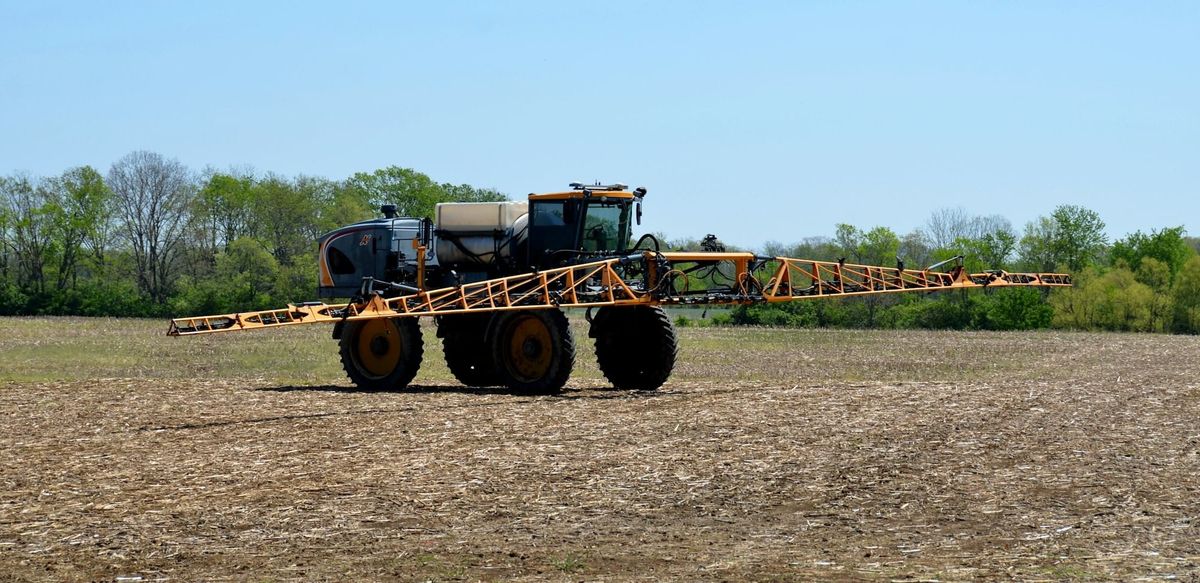
Class counsel's March notice was aimed at "farmers, landscapers, groundskeepers, gardeners" and others, and their jobs count. The order sorts claims into nine tiers based on three things: whether exposure came on the job or at home, age at diagnosis, and whether the cancer is aggressive or slow-growing. Tier averages run from $10,000 to $165,000, and individual awards can land 20% above or below the average. Boyer called the job-versus-home split reasonable, writing that "a landscaper or commercial applicator, for example, may apply Roundup Products daily, across multiple properties, for hours at a time and throughout a working season." Those workers often mix concentrates of roughly 41% to 73% glyphosate. Home products can be 1% to 2%.
Monsanto pays in declining yearly installments for up to 21 years. The order notes $1 billion is already in the fund, a separate $1 billion security fund backs it up, and more than $400 million is set aside for cases such as death before age 78.
What you give up
Staying in the class means giving up the right to sue. Once the deal takes effect, class members "waive and release, forever discharge, and hold harmless" Monsanto. They must also pause any pending Roundup lawsuit within 30 days of the order. The deal bars punitive damages, which are extra damages meant to punish a company. That bar stays in place even for members who later leave the program.
There are exits. A member of either subclass who goes five years after becoming eligible without an award, or who can't be paid because the money runs short, can leave and sue for compensatory damages (payment for the harm itself). Future claimants can also turn down their award and go to court instead, but still without punitive damages.
Objectors lost on every point
By June 4, 136 identified class members filed objections, along with some health plans. They argued that the payouts are lower than what earlier Roundup plaintiffs got individually, that a fixed fund can't cover an unknown number of future cancers, and that the deal was collusive. As evidence of collusion they pointed to strict opt-out rules (a personal ink signature and ID). Ten objectors who tried to move the case to federal court called the compensation "unconscionably low," DTN reported. A federal judge sent the case back to state court in June.
Boyer rejected those arguments. He wrote that "Negotiations were extensive, hard-fought and at arm's length," and said plaintiffs "have lost more Roundup trials than they have won." He also wrote that without a deal, Monsanto could possibly enter bankruptcy, "delaying claims with no payment for an indeterminate number of years."
Each side
Christopher Seeger, class counsel for current victims, said the order "delivers guaranteed compensation to Roundup cancer victims who have waited more than a decade for justice," NPR reported. Bayer CEO Bill Anderson called it "a decisive milestone in the company's strategy to mitigate the risks of both pending and future Roundup™ litigation." Bayer admits no wrongdoing and maintains glyphosate is safe.
How the courts narrowed workers' options
The deal caps years of fights over how to pay future victims, and it lands months after the Supreme Court made suing harder:
- June 2020: Bayer agreed to pay $8.8 billion to $9.6 billion for current Roundup suits, plus $1.25 billion for future claims, NPR reported.
- May 2021: U.S. District Judge Vince Chhabria in San Francisco rejected a revised $2 billion future-claims plan as "clearly unreasonable," writing that "mere tweaks cannot salvage the agreement," Al Jazeera reported.
- June 25, 2026: In Monsanto Co. v. Durnell, the Supreme Court ruled 7-2 that federal pesticide law preempts (overrides) state claims that Roundup should have carried a cancer warning. Justice Ketanji Brown Jackson, joined by Justice Neil Gorsuch, dissented, writing that the ruling "leaves Durnell without a remedy." Boyer cited Durnell as a reason the deal is adequate, since failure-to-warn claims "were the principal legal theory on which Roundup litigation has been based."
What's next
The order can be appealed, and Bayer says an appeal would pause further payments until it is resolved. No appeal had been reported as of Sunday. The opt-out window closed June 4, 2026. People already diagnosed must register within 180 days of final court approval, online, by email or by mail. People diagnosed later don't register; they have six years from diagnosis to file a claim. Information is at WeedKillerClass.com or 1-888-403-8201.
Sources
- Final Order and Judgment, King v. Monsanto Co., Missouri 22nd Judicial Circuit (Nov. 20, 2026), via Agri-Pulse
- Bayer: Court grants final approval to Roundup class settlement
- Supreme Court of the United States: Monsanto Co. v. Durnell, No. 24-1068 (June 25, 2026)
- NPR: Bayer agrees to pay Roundup claims in settlement that could cost billions
- St. Louis Public Radio: Final approval for Roundup settlement
- Agri-Pulse: Judge approves $7.25B settlement covering current, future Roundup claims
- News Tribune (Reuters): Missouri judge approves Bayer's $7.25 billion Roundup settlement
- PR Newswire (class counsel): Court Authorizes Notice of Proposed Class Action Settlement for Farmers, Landscapers and Others Exposed to Weed Killers
- DTN: Cancer victims fail to block Bayer's $7.3B Roundup deal
- Insurance Journal (Reuters): Federal judge sends Bayer's $7.25B Roundup settlement back to state court
- Al Jazeera: US judge rejects Bayer's $2B deal to resolve future Roundup suits
- NPR: Bayer to pay more than $10 billion to resolve cancer lawsuits over weedkiller Roundup (2020)


Comments ()