

New York now makes your boss hand over your personnel file. You get it free in five business days.
A new state law, in effect since Nov. 8, also requires employers to tell you within 10 days when something negative goes into your file.
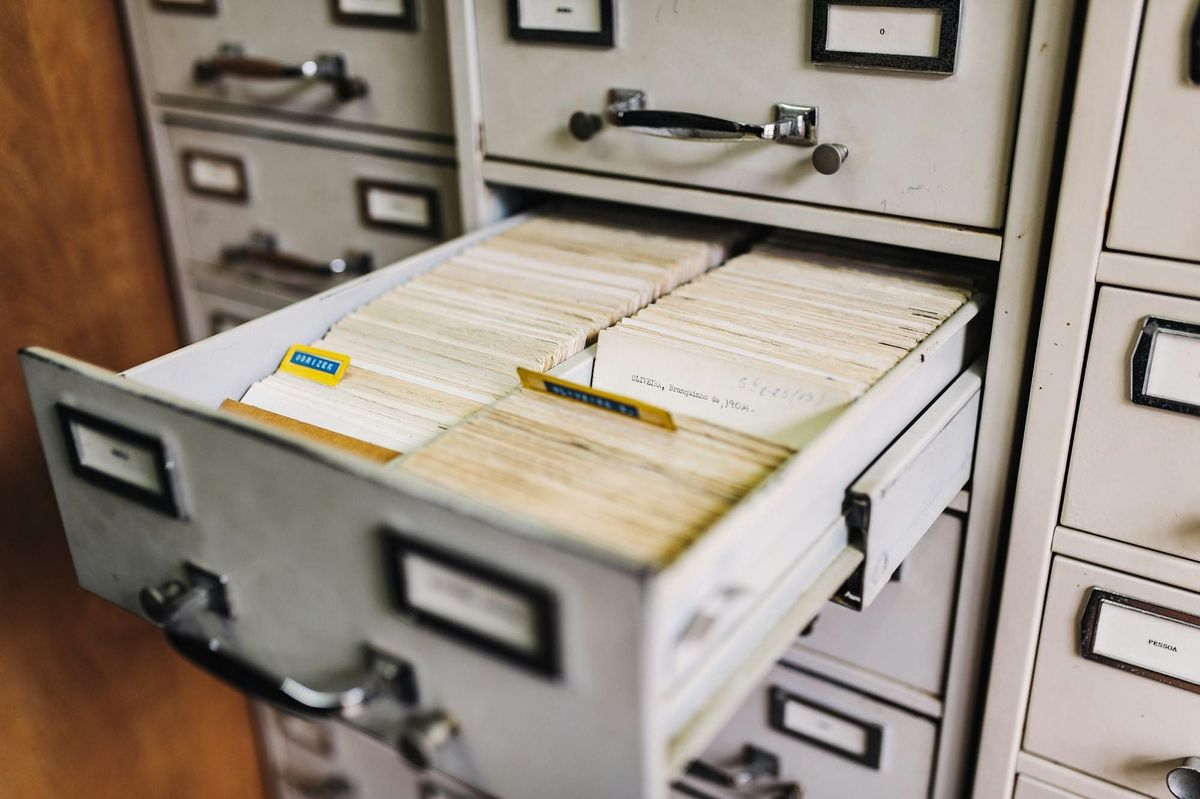
Somewhere in your employer's HR system is a folder about you. It holds your reviews, the write-up from that bad week in March, and maybe a note your manager typed and never mentioned. As of Nov. 8, 2026, New York law says you get to read it.
Gov. Kathy Hochul signed Senate Bill S3460 on Sept. 9 as Chapter 293 of 2026. It adds Section 210-b to the state Labor Law and took effect 60 days later, according to Proskauer and Gibson Dunn. It covers private and public employers, and current and former employees.
Why that folder matters
Your file is the employer's version of your career. If you're ever fired and think the real reason was retaliation or discrimination, the company will reach for that folder to argue you were a problem all along. The write-ups, warnings and evaluations in it become evidence. Better to find out now what's in there than to meet it for the first time in a lawyer's conference room.
OnLabor's Nov. 17 roundup, summarizing Bloomberg Law's coverage, said lawyers expect the law to help workers bringing retaliation and discrimination claims.
What the new law gives you
Under Section 210-b, as passed:
- A free copy in five business days. Send a written request, and the employer must hand over a copy of your personnel record at no cost within five business days.
- A heads-up on bad news. The employer must notify you within 10 days of putting anything in your file that could be used against you for a job, promotion, transfer, raise or discipline.
- Two reviews a year. The employer can cap you at two reviews per calendar year, but a review after a negative-information notice doesn't count toward that cap.
- Your side of the story. If you disagree with something and the employer won't fix or remove it, you can submit a written statement. It becomes part of the file and has to travel with the disputed information when it goes to a third party.
- No shredding. The employer must keep your complete file from your first day until three years after you leave.
- No payback. Employers can't fire, threaten or penalize you for using these rights. The law specifically counts threatening to report you or a family member to immigration authorities as retaliation.
The law lists what a "personnel record" includes: your job application, pay rate, performance evaluations, written warnings, signed waivers, termination notices and other disciplinary documents.
How to ask for it
Put it in writing, and keep proof of when you sent it. Make it dull: "Under New York Labor Law Section 210-b, I request a copy of my complete personnel record, including records kept by any outside vendor on the employer's behalf." Records held by contractors such as payroll or HR vendors are covered too. Save a copy and note the date.
Then count five business days. If nothing arrives, send one short follow-up citing the deadline. If the employer still stalls, the law is enforced by the New York Attorney General, and violations carry fines of $500 to $2,500.
Two caveats. Hochul signed the bill based on an agreement with the Legislature to amend it in the 2027 session, Proskauer reported. The planned changes would say employers don't have to create a file or produce documents they don't already keep, and would narrow what counts as a personnel record. And Gibson Dunn notes the law doesn't expressly let workers sue over the access and notice rules themselves.
Other states got here first
California. Labor Code 1198.5 gives current and former employees the right to inspect and copy their personnel records within 30 calendar days of a written request. Miss the deadline and the employer can owe a $750 penalty. Labor Code 226 separately covers payroll records, due within 21 calendar days of the request, with a separate $750 penalty, according to the state Labor Commissioner.
Massachusetts. New York's sponsors modeled their bill on Massachusetts' law, and it shows. Massachusetts also gives workers five business days for a copy, 10 days' notice of negative information, and a right to add a written rebuttal, enforced by the state attorney general.
If you're worried your job is wobbling, read our guide to the warning signs of a layoff, then request your file while you still have a work email to send it from.
Your next step: send the request this week, while nothing is wrong. Calendar the five-business-day deadline. When the file arrives, read every page, and if something is wrong, write your statement and ask that it be added.
Sources
- S3460 bill status: Access to personnel records (New York State Senate)
- S3460 bill text (New York State Senate)
- Labor Law Section 210-B (New York State Senate)
- New York State Mandates Employee Access to Personnel Records (Proskauer)
- New York Enacts Employee Personnel Records Access Law, Effective November 8, 2026 (Gibson Dunn)
- News & Commentary, November 17, 2026 (OnLabor)
- Personnel files and records FAQ (California Labor Commissioner)
- California Labor Code 1198.5 (FindLaw)
- California Labor Code 226 (FindLaw)
- Massachusetts General Laws Chapter 149, Section 52C (Massachusetts Legislature)

Comments ()