

Two Delaware voters sue for a second House seat. Montana has about the same population and two.
Delaware's 990,837 people share one representative; Montana's 1,085,407 have two, the widest gap between any two states.
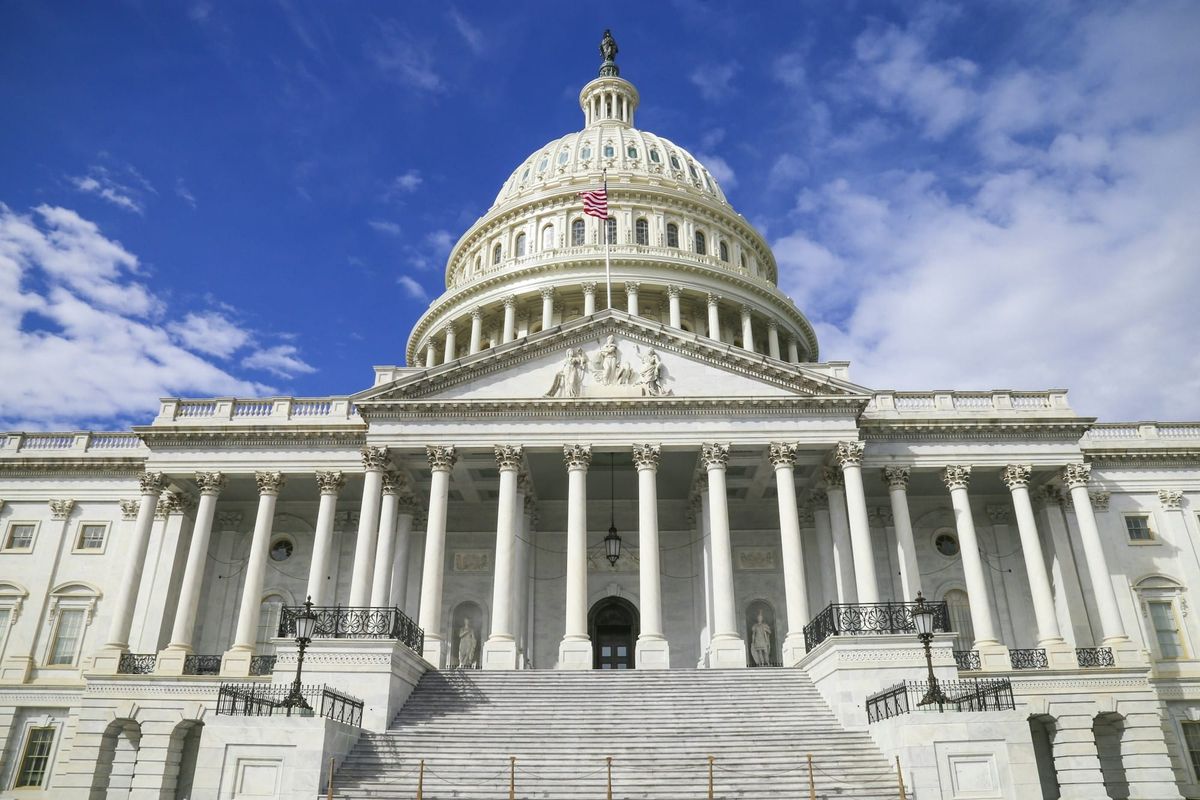
Two Delaware voters sued the federal government on Wednesday to give their state a second seat in the U.S. House. Their target is the 435-seat cap Congress set in 1911 and locked in with a 1929 law.
David Redlawsk, a University of Delaware professor, and Kevin Price filed Redlawsk v. Lutnick in federal court in Washington, D.C., and asked for a three-judge panel. The defendants are Commerce Secretary Howard Lutnick, George Cook, the Commerce official performing the Census Bureau director's duties, and House Clerk Kevin McCumber.
The numbers behind the suit
Under the 2020 census, Delaware's 990,837 people share one representative. Montana's 1,085,407 people have two. That's only 94,570 more residents, but Montana voters get nearly twice the representation per person, the largest gap between any two states, according to the complaint.
"The 435-seat limitation imposes a severe and avoidable disparity on Delaware's voters," the complaint says.
What they're asking for
The voters want the court to declare the cap unconstitutional under Article I and the Fourteenth Amendment, which require House seats to be divided "according to their respective numbers." They ask the court to give Congress a deadline to fix it. If Congress doesn't act, the court would add one seat for Delaware, making a 436-member House and leaving every other state's seats alone, in time for the 2028 elections.
The Commerce Department and the House clerk did not immediately respond to NBC News. No hearing has been set.
Courts have been here before
This is part of a pattern of challenges to how House seats are divided, and courts haven't been receptive so far. For example:
- 1992: Montana sued after losing one of its two seats. A lower court sided with the state, but the Supreme Court ruled in Department of Commerce v. Montana that Congress had acted within the limits the Constitution sets. The new complaint relies on that same case to argue courts can review apportionment.
- 2010: Voters in Clemons v. Department of Commerce argued the 435-seat House violated "one person, one vote." The Supreme Court ordered the case dismissed for lack of jurisdiction without ruling on the merits.
The House has had 435 voting seats for most of the last century while the country has more than tripled in population. Democracy Docket noted that a win could open the door to expanding the House for the first time since 1911.
Sources
- Complaint, Redlawsk v. Lutnick, No. 1:26-cv-03976 (D.D.C., filed Nov. 11, 2026) (CourtListener)
- Delaware residents file lawsuit seeking a second House seat for the First State (NBC News)
- Delaware voters sue for second representative in Congress (Democracy Docket)
- Delaware voters sue for second U.S. House seat (WDEL)
- U.S. Department of Commerce v. Montana, 503 U.S. 442 (1992) (Cornell Legal Information Institute)
- Supreme Court Tosses Suit Claiming US House Isn't Big Enough (ABA Journal)


Comments ()