

The U.S. became the first country to fully refuse the U.N.'s review of its human rights record
Trump's administration skipped its review twice. The U.N. Human Rights Council moved it to January and urged Washington to show up.
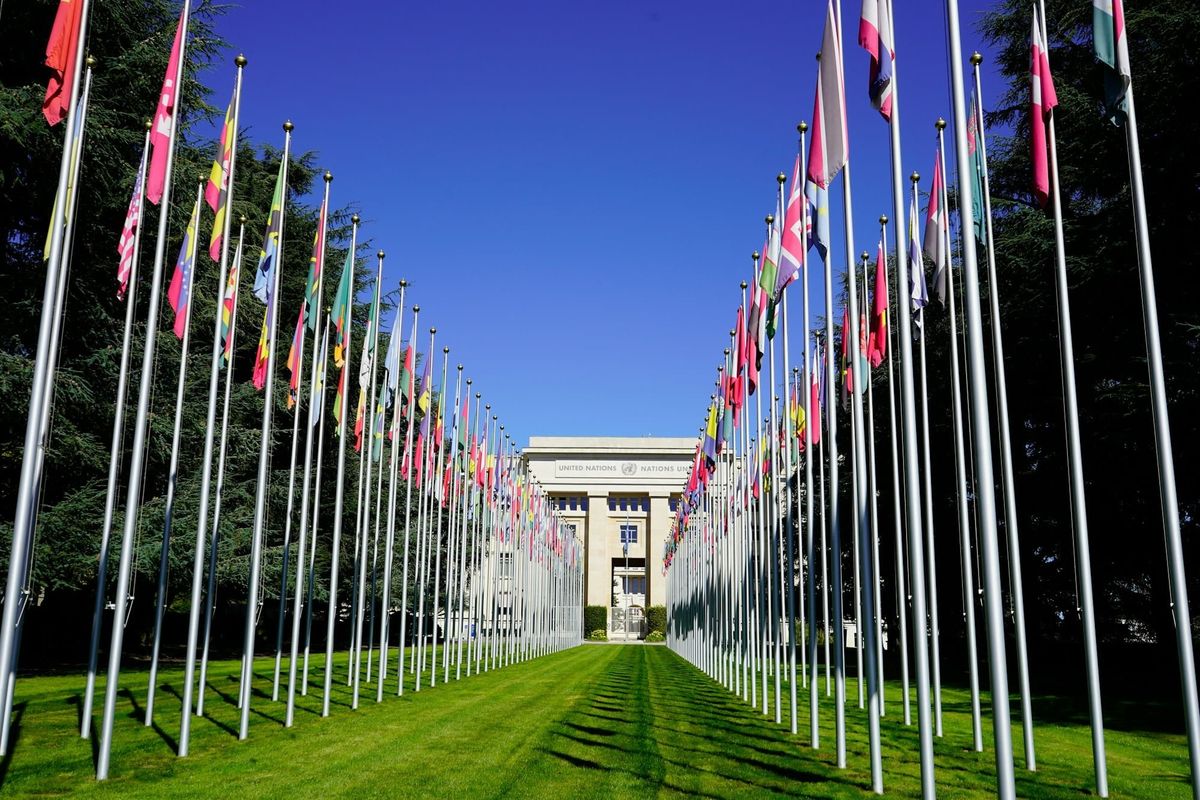
The United States has become the first country to fully refuse the United Nations' review of its human rights record. On Tuesday, Nov. 10, it skipped its rescheduled review before the U.N. Human Rights Council in Geneva, a year after skipping the original date.
Every one of the 193 U.N. member states goes through the review, called the Universal Periodic Review, about every four to five years. Other countries question the government under review and make recommendations. The council says the process needs the country to take part, and without any national representatives, the review can't go forward, the Associated Press reported.
What the council did
The U.S. review was first set for Nov. 7, 2025. When the U.S. didn't show, the council moved it to Nov. 10, 2026, in case Washington changed its mind. It didn't. The council then adopted a decision regretting the "continued non-cooperation" of the U.S., urged it to "resume its cooperation with the universal periodic review mechanism," and rescheduled the review for Jan. 18-29, 2027, Anadolu Agency reported, confirmed by U.N. News. The council asked its president to keep pressing the U.S. and report back.
How it got here
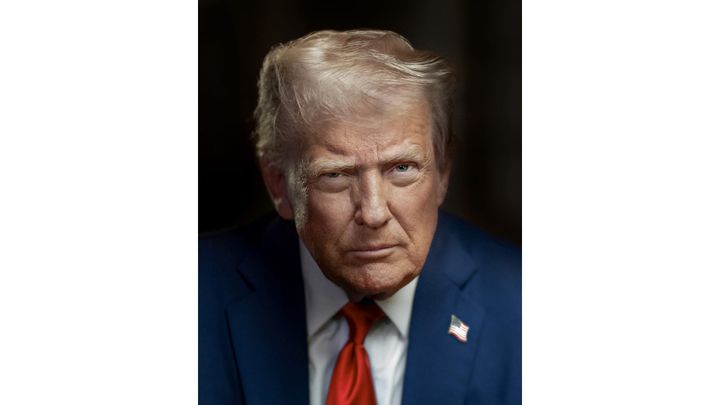
President Trump signed an executive order on Feb. 4, 2025, pulling the U.S. out of the Human Rights Council. The order said the council let human rights abusers use it to avoid scrutiny, the American Society of International Law reported. He had also withdrawn in his first term, in 2018.
A State Department spokesperson told the AP the U.S. gives the council no credibility, calling it an "irredeemable body" that "makes a mockery of human rights."
What critics point to
The AP reported that the U.S. has drawn criticism for policies including forced deportations and targeted killings of alleged drug runners in the Caribbean and Pacific. The administration says those policies protect U.S. workers and keep the country safe.
Claim check: unsupported on deportations. An independent analysis reported by Reuters found about 80% of people deported in Trump's second term had no criminal conviction, as WorkersRights.News reported this week, and none of the coverage we reviewed showed the administration offering data that the deportations protect U.S. workers.
Jamil Dakwar, director of the ACLU's human rights program, said the administration is telling the world, "we don't care about whether you would review us or not." The ACLU has asked the U.N. human rights chief to report on rights in the U.S. early next year.
Eric Tistounet, the council's first secretary, warned that if the leading global power won't show up or explain why, "then you are in big trouble."
What's next
The next chance for the U.S. to appear is the January 2027 session. The current review cycle ends in mid-2027.
Sources
- The US to become first nation to fully shun a UN Human Rights Council review, Associated Press (via ITV)
- UN Human Rights Council regrets US non-cooperation, urges participation in rights review, Anadolu Agency
- World News in Brief: US human rights review rescheduled, U.N. News
- Trump Withdraws U.S. from UN Human Rights Council, UNRWA, and Orders Review of UNESCO Involvement, American Society of International Law
- ICE says it set deportation records but won't say who it deported, WorkersRights.News

Comments ()