

Trump administration proposes new tariffs of up to 35% on goods from China, the EU, Japan and 11 other trading partners
The rates are proposals for now. Comments are due Jan. 5, as prices already outrun paychecks.
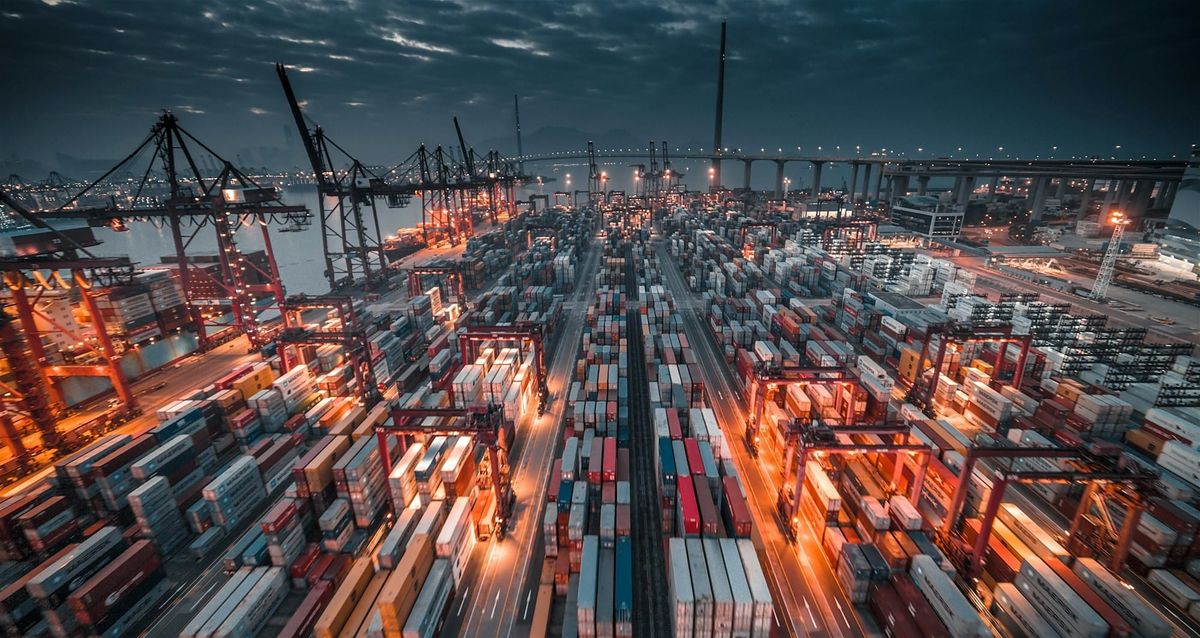
The Trump administration proposed new tariffs on Wednesday on goods from 14 trading partners, including China, the European Union, Japan, India and Vietnam. They are proposals for now. The public can comment until Jan. 5, and hearings start Jan. 25.
U.S. Trade Representative Jamieson Greer found that all 14 economies build up more factory output than the market can absorb, hurting U.S. manufacturing, and that this can be punished under Section 301 of the Trade Act of 1974. Mexico and Norway were investigated too, but got no ruling.
The proposed rates, according to USTR's notice:
- Vietnam: up to 35% on all goods
- India: up to 25%
- China: up to 20% on most goods, up to 10% on a listed set, with some goods exempt
- Singapore: up to 20%
- Bangladesh, Cambodia, Indonesia, Malaysia, Thailand: up to 18%
- European Union, Japan, Korea, Switzerland, Taiwan: up to 15%
Most of the proposals exempt certain goods. A senior administration official told reporters the tariffs would not stack on top of existing ones, CBS News reported. Stephen Brown, chief North American economist at Capital Economics, told CBS the new rates would mostly replace tariffs already announced.
In a separate notice, Greer proposed a new 10% tariff on aircraft from Brazil and a higher tariff on sugar imports above quota, applied to every country so others can't fill in for Brazil.
Section 301 is the administration's fallback. In February, the Supreme Court ruled 6-3 that the emergency powers law Trump used for his 2025 tariffs gave him no power to tax imports, NPR reported. NPR noted that refunds of the $133 billion collected would mostly go to the importers, not to shoppers who paid higher prices.
Tariffs are taxes on imports, and businesses often pass them on to customers. Prices are already outrunning paychecks: a Thanksgiving turkey costs 10% more this year, while real wages were flat in October.
"Customers can't afford more price increases, but small businesses can't afford to absorb tariffs on top [of] tariffs either," said Dan Anthony, executive director of the small-business coalition We Pay the Tariffs, CBS reported.
Greer said the targeted countries use "industrial strategies built on targeting manufacturing, wage and labor suppression" that erode "America's manufacturing base."
Sources
- USTR Makes Determinations and Proposes Actions in 14 Section 301 Investigations (Office of the U.S. Trade Representative)
- USTR Invites Public Comment on Proposed Modifications of the Section 301 Action Regarding Brazil (Office of the U.S. Trade Representative)
- Trump administration to issue new tariffs on China, EU and others (CBS News)
- After the Supreme Court's ruling on tariffs, companies line up for refunds (NPR)


Comments ()