

Trump's DOJ keeps losing in civil court. Newsom tells judges it may try to seize ballots with bogus warrants next.
The governor's Oct. 31 letter says he knows of no pending warrant but sees the groundwork being laid.
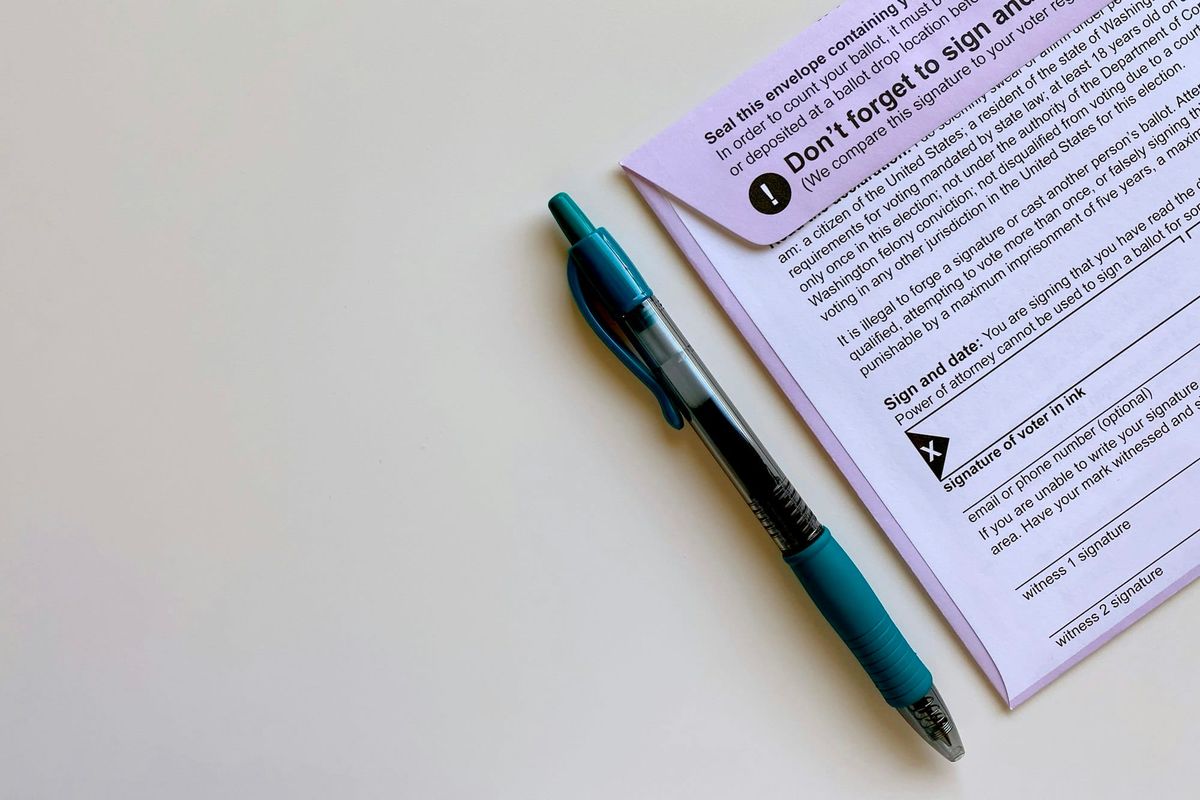
California Gov. Gavin Newsom has asked the four chief federal judges in his state to give "additional scrutiny" to any request for a warrant to seize ballots, election records or voting machines before California certifies its results on Dec. 11.
In an Oct. 31 letter to Chief Judges Yvonne Gonzalez Rogers of the Northern District, Troy L. Nunley of the Eastern District, Dolly M. Gee of the Central District and Cynthia A. Bashant of the Southern District, Newsom wrote that he has "grave concerns federal agents will seek search warrants to seize ballots and ballot materials before the election results are certified." He also wrote that he knows of no such warrant application pending in their courts.
Election Day is Tuesday, Nov. 3.
Why the governor is worried
A search warrant is a court order that lets agents search a place and take evidence. The government asks a judge for one without the other side in the room, so the judge reviewing the request is the only check before agents act.
Newsom's letter lays out what he sees building toward that step. Acting Deputy Attorney General Trent McCotter, the Justice Department's No. 2 official, sent letters warning state and local election officials of legal jeopardy if they didn't comply with federal demands. Bill Essayli, the top federal prosecutor in Los Angeles, threatened on social media to prosecute election officials who process ballots from people the government claims may be noncitizens. A federal judge ruled Oct. 27 that Essayli is serving in that job unlawfully. And federal prosecutors subpoenaed Los Angeles County election workers to appear before a grand jury on Nov. 4, the day after the election.
Those demands center on a Justice Department list of about 20,000 Californians it calls likely noncitizens. U.S. District Judge David O. Carter refused to order their ballots set aside, and the 9th Circuit denied the department's emergency appeal. UCLA researchers found that 8,880 names on the list, 42%, don't match anyone on California's voter rolls.
Having "lost repeatedly in federal civil proceedings," Newsom wrote, federal officials are likely to "quickly pivot to the criminal forum." He argued that California's chain-of-custody and record-keeping laws already preserve ballots under court supervision, so seizing them would serve only to interfere with counting and certification. That is the governor's argument, not a court finding.
He enclosed a September guide from UC Berkeley's Edley Center on Law & Democracy, "Questions for Assessing A Search Warrant for Election Materials," for any magistrate or district judge who gets such a request.
A court already stepped in
On Oct. 30, U.S. District Judge Trina Thompson in San Francisco temporarily barred the Justice Department and Homeland Security from threatening election workers with prosecution to make them stop processing ballots of voters the administration calls ineligible. Her order also requires the Justice Department to disclose any pending search warrant applications or grand jury subpoenas tied to its voter lists. It runs until Nov. 16, with a hearing set for Nov. 13.
California has seen a ballot seizure before
On Sept. 24, the California Supreme Court unanimously ruled that Riverside County Sheriff Chad Bianco broke state election law when he seized about 650,000 ballots from the November 2025 special election. The court rejected his argument that a search warrant justified the seizure, held that state law requires voted ballots to stay in election officials' custody, and ordered the ballots returned (Cervantes v. Bianco, S295866). That case involved a county sheriff and state law, not federal agents.
What comes next
California has until Dec. 11 to certify. Until then, a federal warrant for California ballots would normally go to a magistrate or district judge in one of the four courts Newsom wrote to. For voters, nothing changes: the letter doesn't affect how or where you vote, and ballots already cast are still being counted.
Sources
- Office of Gov. Gavin Newsom: Letter to Chief District Judges, Oct. 31, 2026 (PDF)
- Office of Gov. Gavin Newsom: Governor Newsom sends letter to top federal judges in California warning of potential election interference
- NBC News: Midterm election live updates, Oct. 31, 2026
- CalMatters: California sheriff broke election law by seizing ballots, state Supreme Court rules
- Supreme Court of California: Cervantes v. Bianco, S295866 (opinion)
- WorkersRights.News: Judge bars Trump's DOJ from threatening election workers with prosecution days before Nov. 3
- WorkersRights.News: Trump's DOJ subpoenaed LA election workers to a grand jury
- WorkersRights.News: A judge ruled Trump's top LA prosecutor is serving unlawfully
- WorkersRights.News: Trump DOJ flagged 20,930 Californians as possible noncitizen voters. 8,880 aren't even on the rolls.

Comments ()