

Voters rebelled over $4.12 gas. Congress can't cut pump prices before January, and a deal would take months.
Diesel hit a record $6.52 in September. Experts told NPR even an Iran deal could take three to six months to lower fuel prices.
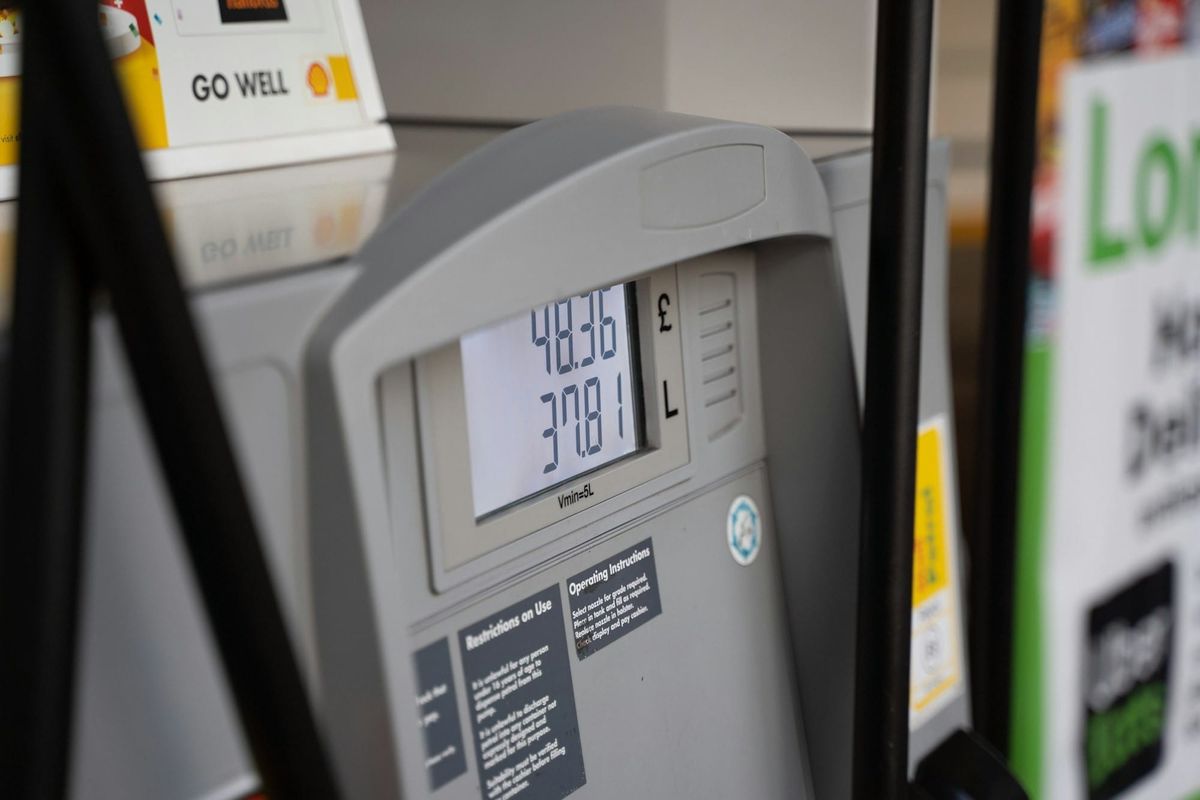
Voters angry about fuel prices helped hand Democrats Congress this week, but the new majority will not lower what you pay at the pump any time soon, NPR reported. A gallon of gas averages $4.12, about $1 higher than a year ago. Diesel hit a record $6.52 a gallon in September and remains about $2.50 above last year, according to AAA figures cited by NPR.
Both prices trace to the war in Iran. Before the war, about one fifth of the world's oil passed through the Strait of Hormuz. A barrel of Brent crude cost about $70 in late February, spent months near $110, and is now close to $95, NPR reported. Diesel matters beyond the pump because the nation is "heavily reliant on trucking," NPR said, so higher diesel costs feed into the price of nearly everything shipped by road.
What Congress can and cannot do
Democrats cannot act until members are sworn in in January. Even then, lawmakers have limited power over oil prices, which are set by a global market. In the weeks before the election, the actions meant to lower fuel prices came from the White House. President Trump loosened federal rules on dyed diesel, which is normally used for farming, and announced a deal to bring more Russian diesel to global markets by temporarily lifting sanctions. "Neither of these did much to move the needle," NPR reported.
Democrats can push the president to end the war, in part by making it harder to authorize new war spending, NPR reported. Senate Minority Leader Chuck Schumer (D-N.Y.) told reporters Wednesday that Democrats are intent on ending the war and lowering the cost of living, saying "relief is on the way." Claudio Galimberti, chief economist at Rystad Energy, wrote that a Democratic Congress can "make escalation considerably more costly" through resolutions, conditions on war spending and holds on confirmations. But Jorge León, head of geopolitical analysis at Rystad, told NPR the president "still retains full discretionary authority over military strikes, over blockades and sanctions."
Trump has sent mixed signals. NPR reported that he warned Gulf Arab countries to prepare for a new military campaign after the midterms, and the U.S. struck the island of Qeshm on Nov. 2. On election night, Trump told The New York Times he knew voters were unhappy about gas prices. Vice President JD Vance wrote on social media the next day: "The reason we lost is the war."
Even a deal would take months
Jaime Brito of Dow Jones Energy told NPR that if the U.S. and Iran formally announce that the strait is reopening, crude could drop $15 to $20 a barrel within days. Gasoline and diesel lag behind: ships would have to return to their usual routes, and the crude would still have to be refined and shipped. In the most optimistic case, Brito said, it could take three months for pump prices to return to prewar levels. León estimated about six months for crude, then another month or two for fuel. Diesel could take longer if Ukraine keeps attacking Russian refineries, which normally supply much of the world's diesel.
Both said setbacks, including renewed fighting, could stretch the recovery to as long as a year after a deal. "I don't want to say this, but, you know, expensive gasoline prices could be a new normal," Brito said.
What it means for your paycheck
The experts NPR quoted do not expect quick relief at the pump: Congress is not seated until January, and even the most optimistic timeline after a deal is about three months. For how higher diesel prices already fed into last month's inflation numbers, see our report on September inflation.


Comments ()