

The Army blew up 5 tons of lead explosive in Iowa. Soil and water test results aren't back yet.
FEMA told everyone within 20 miles to stay inside. Trump says early reports 'far exceeded expectations.'
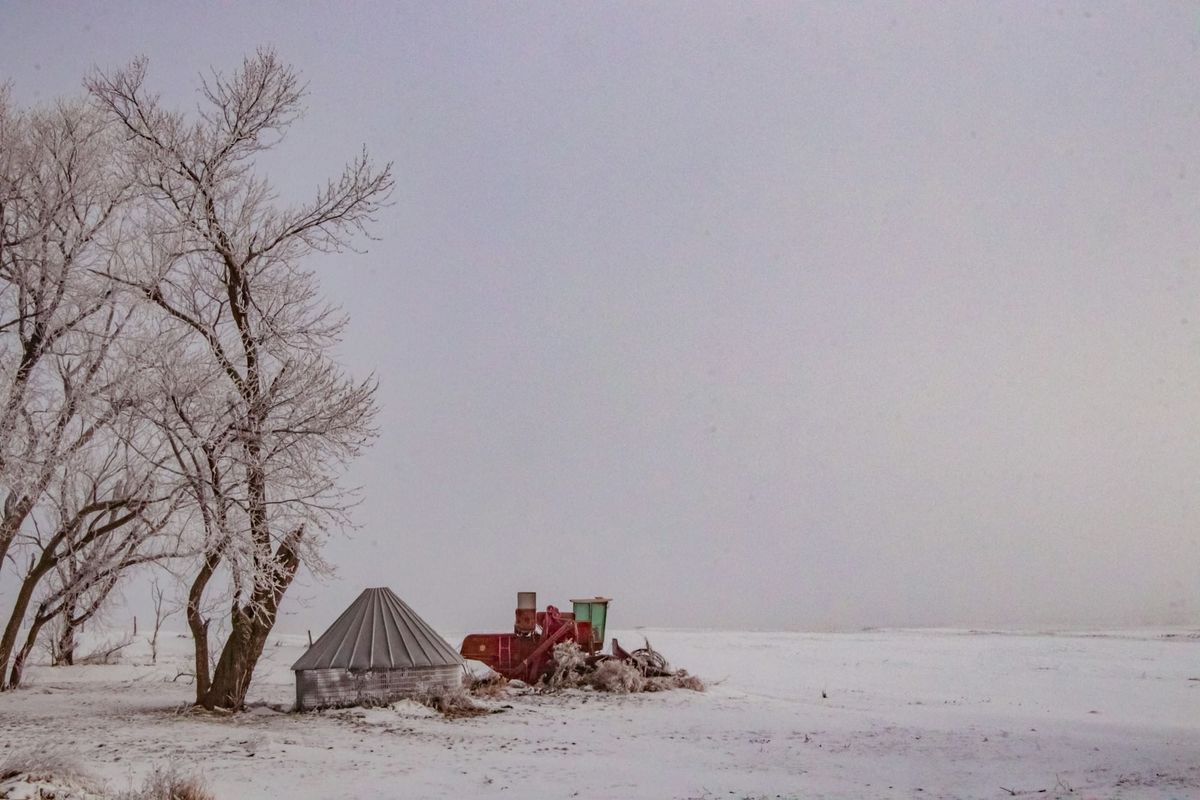
The U.S. Army detonated about 5 tons of degraded lead azide at the Iowa Army Ammunition Plant in Middletown on Wednesday morning, the Associated Press reported. The AP described it as the nation's entire stockpile of the explosive. The blast came two days after a federal appeals court refused to stop it.
About an hour before the blast, FEMA told everyone within 20 miles of the plant, including Middletown, Augusta and Burlington, to shelter in place. Evacuation was "no longer safe or advised," the alert said, and residents were told to "STAY INDOORS with windows closed to block lead dust." Schools in the plume zone closed, along with some businesses and government buildings, the AP reported.
What officials claim, and what's known
President Trump posted that "early reports from Iowa are that the Army's mitigation efforts have far exceeded expectations," CBS News reported. A senior administration official told CBS "the explosion exceeded all expectations." Those are early claims. The only data reported so far is that EPA air monitors found no lead in the air during the first 15 minutes after the blast, according to the AP. Soil and water results haven't been released.
The Army's own public safety advisory warned that "deposition of lead-containing dust may occur after the detonation." It tells people in the deposition area to wet-clean play equipment, patios, decks and windowsills once officials say the exposure period is over. Evacuated residents will get a phone call when it's safe to return, and FEMA is covering hotel stays through Friday.
Who's in the path
Army maps released Tuesday show dust could travel as far as 100 miles, with the worst effects likely within about 30 square miles of the plant, CBS reported. Richard Fordyce, a U.S. Department of Agriculture undersecretary, said about 350 farms could be affected. Doug Seyb, 71, who farms near Donnellson, about 18 miles from the plant, told the AP he can't move his cows indoors. "We can just cross our fingers," he said.
The Army says it will publish its sampling results and a final estimate of the affected area. If you live or work in the zone, keep children off outdoor surfaces until officials give the all-clear.
Sources
- Live Updates: Army detonates stockpile of lead azide in Iowa (Associated Press, via PBS NewsHour)
- The Latest: Army detonates entire US stockpile of lead azide in Iowa (Associated Press, via WDIV ClickOnDetroit)
- Army detonates unstable lead explosives at Iowa munitions plant despite community concerns (CBS News)
- Public Safety Advisory: Controlled, Mitigated Detonation of Unstable Lead Azide at Iowa Army Ammunition Plant (U.S. Army)



Comments ()